Solo creator
You have one camera angle, several pauses, and a useful idea that needs a faster opening before publication.
Start with the [online video editor examples free] route to test a hook, remove dead space, and shape a watchable first draft.
YouTube workflow ideas
Use these practical examples to plan a stronger YouTube edit before you open the timeline. Follow the prompt, compare the result, and adapt the structure to your own footage.
Open Vidione, then enter your brief there. This page does not transfer prompt text.
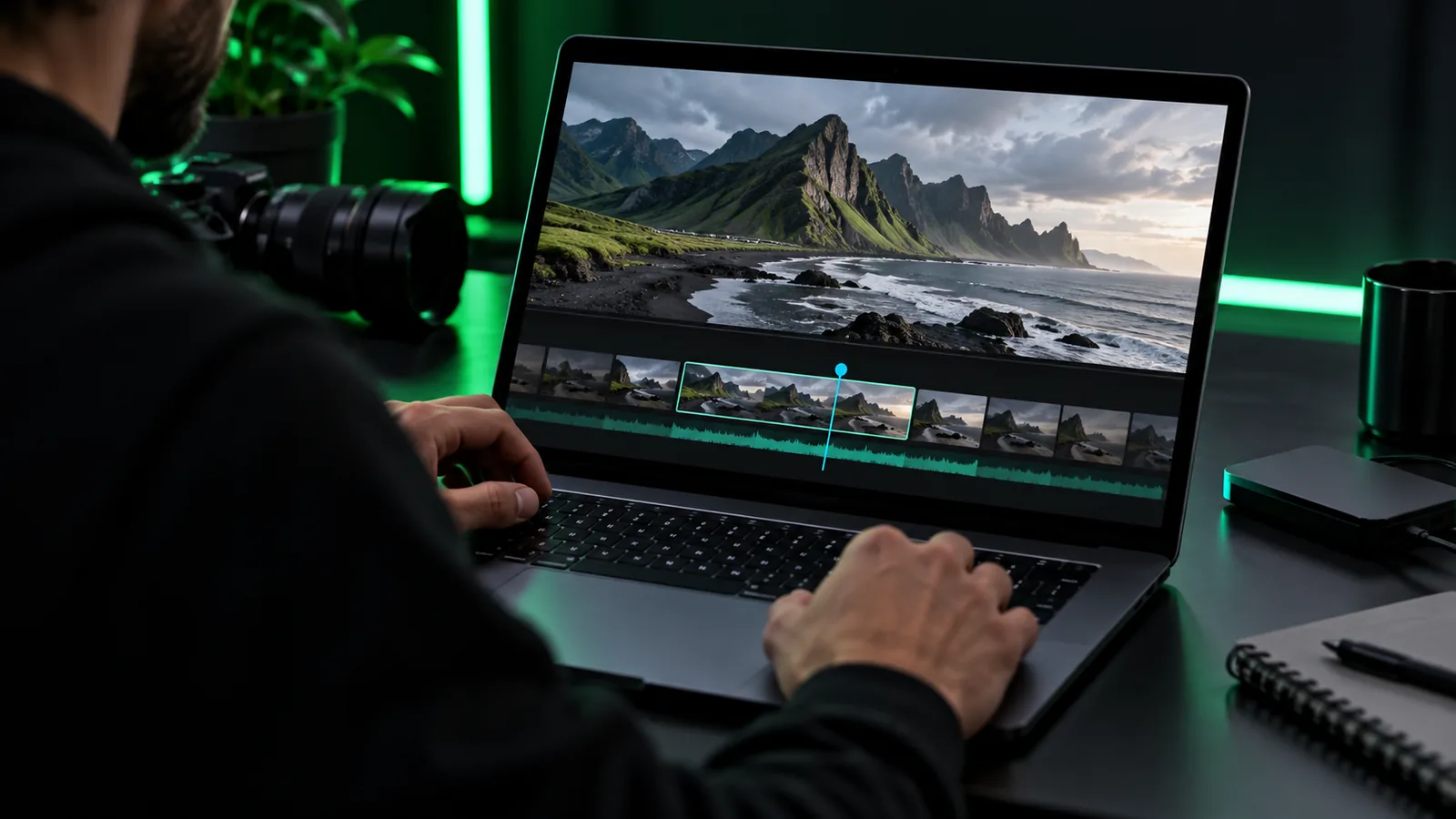
Starting point
Most YouTube creators already have a repeatable process: record, sort the footage, find the story, tighten the pacing, add context, and prepare a publishable version.
Edit a presenter-led YouTube video with a direct opening, clean jump cuts, readable captions, and a concise end screen.
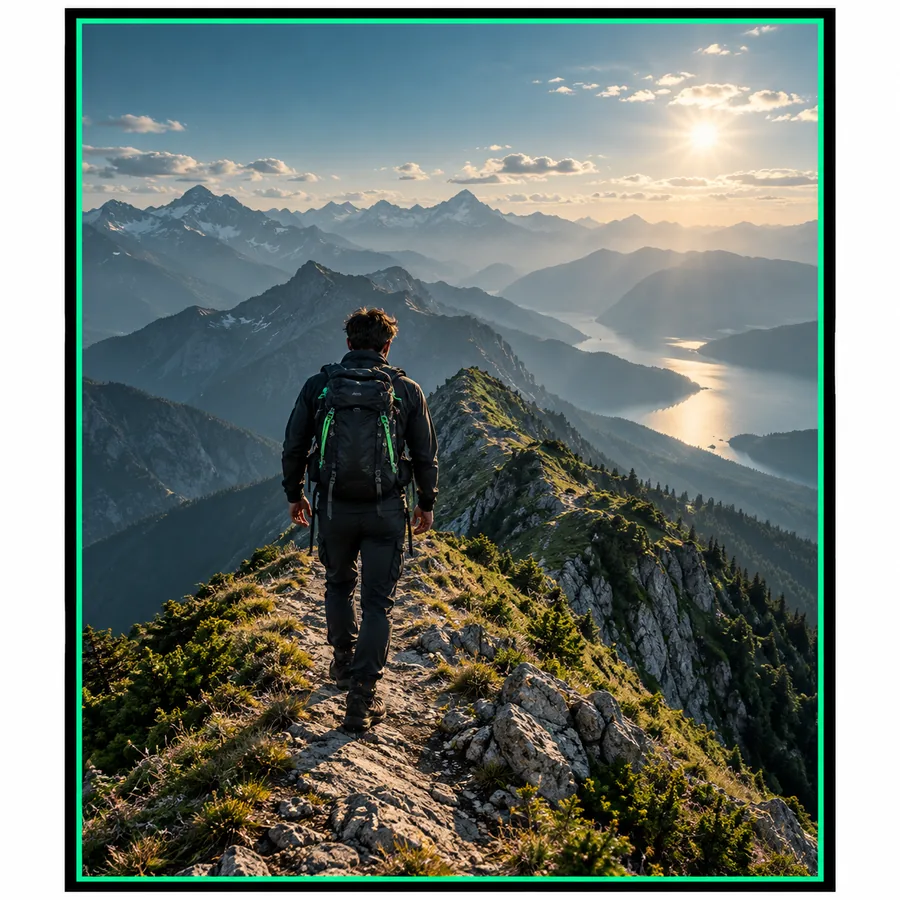 Creator
result
Creator
result
Turn this product demonstration into a focused YouTube video with close-up detail shots, clear section breaks, and a practical conclusion.
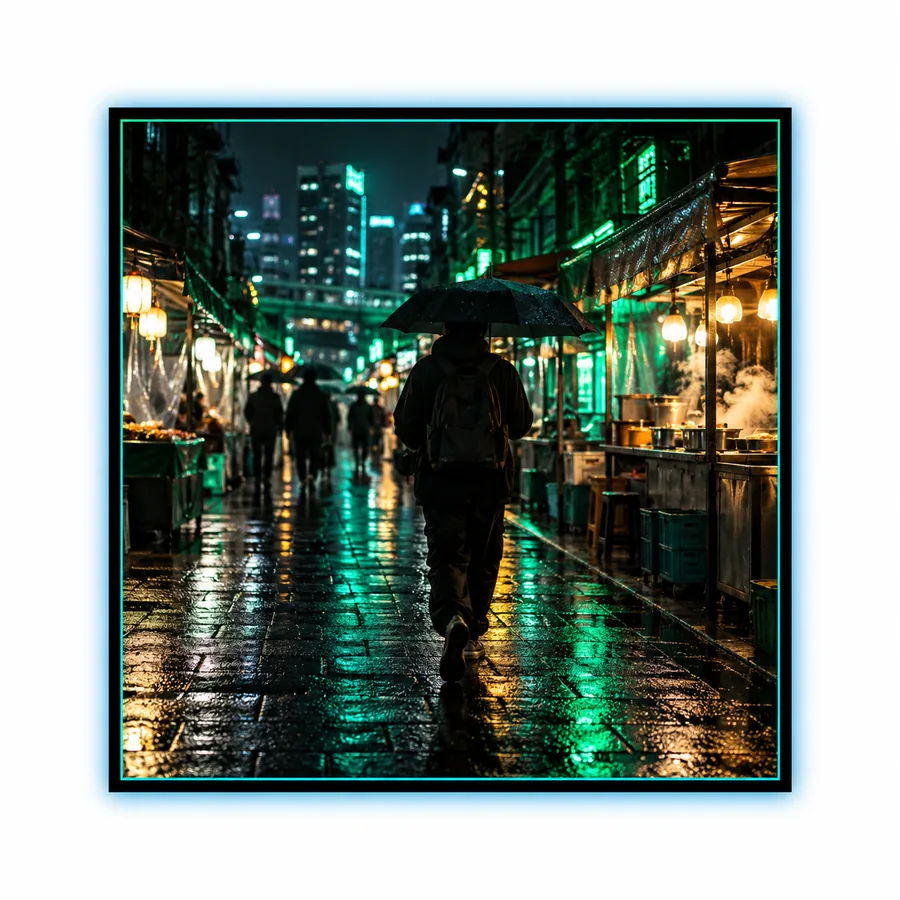 Review
result
Review
result
Build a cinematic YouTube travel story from these clips, opening with the destination highlight and moving through the day in a clear sequence.
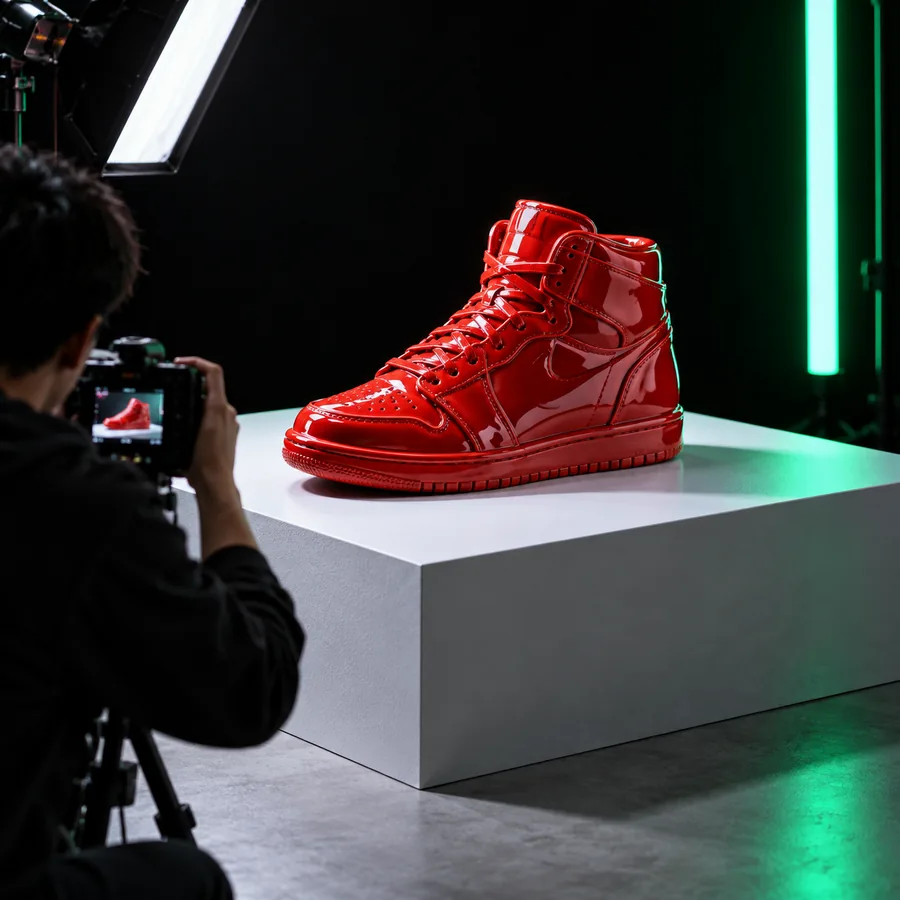 Travel
result
Travel
result
Create an educational YouTube tutorial with a short promise at the start, step-by-step pacing, on-screen labels, and a useful recap.
 Education
result
Education
result
Keep the structure, then replace the subject, audience, tone, footage, and call to action with details from your own channel.
Practical applications
The editor fits between raw footage and the version you are ready to review. It helps turn a rough intention into a clearer first pass without forcing every channel into the same format.
You have one camera angle, several pauses, and a useful idea that needs a faster opening before publication.
Start with the [online video editor examples free] route to test a hook, remove dead space, and shape a watchable first draft.
Your footage includes an unboxing, close-ups, demonstrations, and a spoken verdict that should feel easy to follow.
Use the [online video editor examples free] collection as a structure reference for alternating explanation, detail, and conclusion.
A long lesson needs clear sections, visual reminders, and a recap that helps viewers return to the important points.
Compare your planned lesson with [online video editor examples free] before choosing where to place labels, transitions, and supporting footage.
A day of clips needs a beginning, middle, and end instead of becoming a chronological dump of every moment.
Borrow the pacing logic from [online video editor examples free] and make the destination or experience the organizing idea.
Output references
These examples show how the same raw idea can become a more deliberate YouTube deliverable when the opening, sequence, visual emphasis, and ending are planned together.
Hook
Review
Story
Tutorial
Plan the cut
Use the slider as a simple planning aid for a YouTube video. It estimates how much of the finished structure may be reserved for the opening and a shorter supporting cut.
minutes
minutes
minutes
Visual comparison
A useful edit is not only about adding effects. It makes the purpose of each section easier to see, giving the next review pass a specific shape.
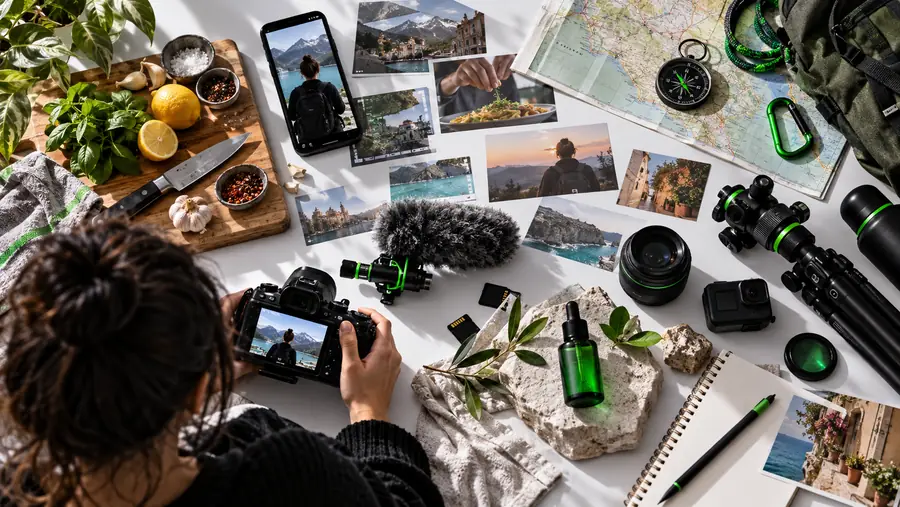
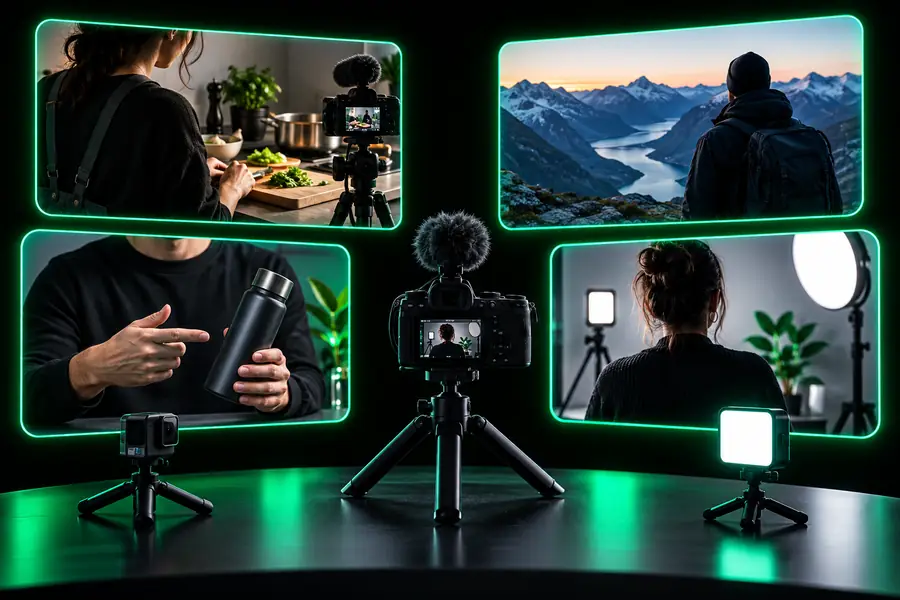
Raw concept
Compare the framing, hierarchy, and sequence before deciding which details your own channel needs.
Structured draft
Use the examples as starting points, then describe your own subject, audience, tone, and intended result. A focused prompt gives the editor enough direction to build a useful draft for review.
Scenario FAQ
Useful examples include talking-head videos, product demonstrations, tutorials, travel stories, interviews, and channel explainers. The strongest examples show not only the visual style, but also the opening, sequence, supporting footage, and ending.
Yes. Treat each example as a planning reference rather than a fixed template. Identify the audience, the central promise, the order of information, and the visual details that make the message easier to follow.
Describe the subject, intended audience, tone, opening idea, key sections, visual material, and desired conclusion. You can also specify whether the video is a tutorial, review, story, lesson, or presenter-led explanation.
They are starting points for different channel types, not universal formulas. A reviewer may emphasize demonstrations, while a teacher may need visible steps and a recap; adapt the pacing and structure to the viewer's reason for watching.
Keep the example's underlying structure, then replace its subject, footage, voice, and call to action. Compare the first draft with your original goal and revise any section that does not serve the viewer or the channel.