Social creator
You have several short clips but no clear opening.
Lead with the most recognizable moment, then keep only shots that advance the idea. For visual transitions, consider a free online video editor with effects.
Video planning
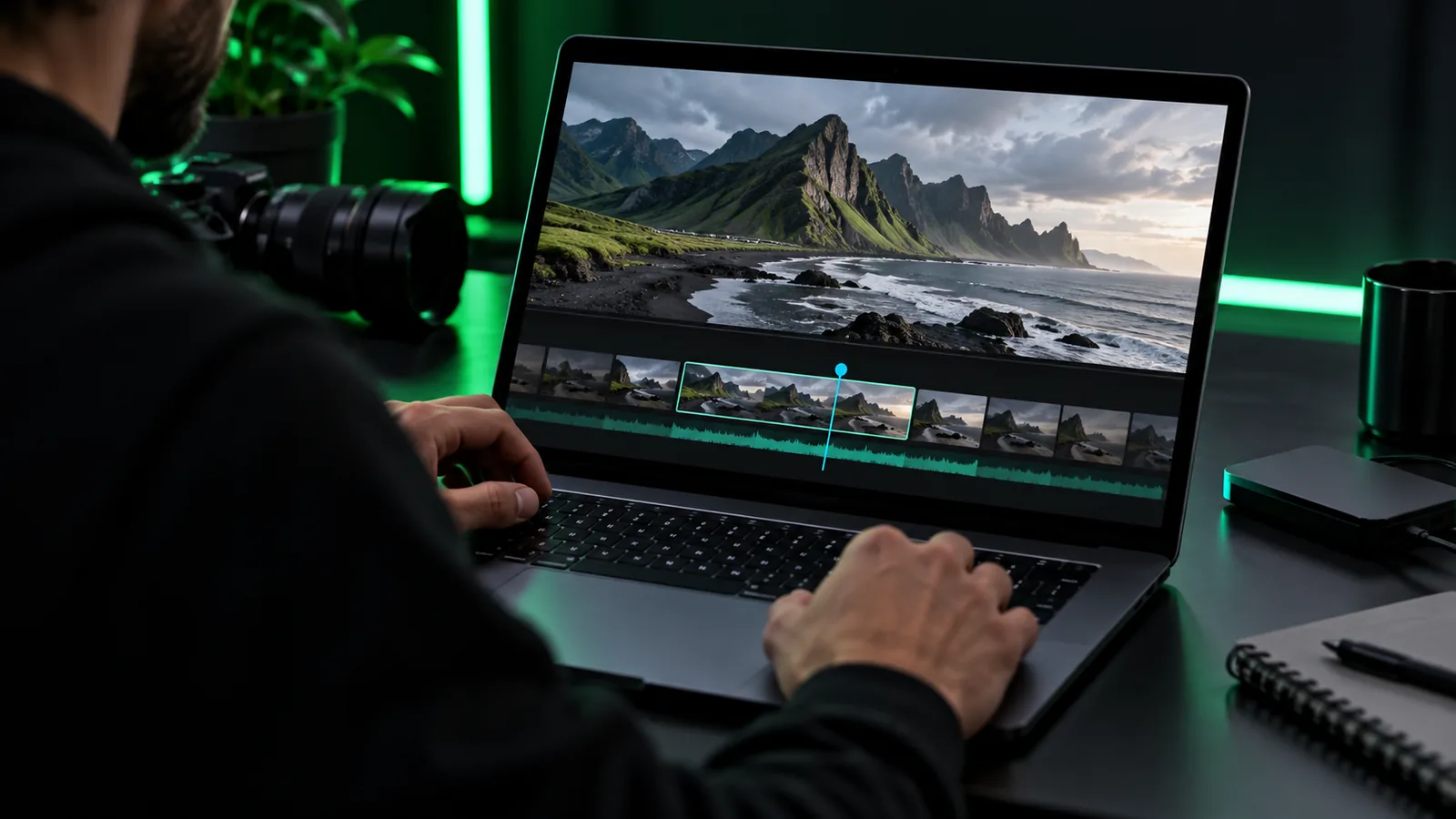
Looking for an ai free online video editor? Start with a brief that names your audience, footage, desired length, and the change you want viewers to notice. Onlinevideo helps you think through that brief before you continue to the editing destination; check its available tools and access terms there.
Open Vidione, then enter your brief there. This page does not transfer prompt text.
A useful brief tells an online video editor what matters, rather than asking it to make every decision. These starting points suit different kinds of footage.
You have several short clips but no clear opening.
Lead with the most recognizable moment, then keep only shots that advance the idea. For visual transitions, consider a free online video editor with effects.
You need to show a product in use without a long introduction.
Write a brief that puts the result first and identifies which close-ups explain it. See where a free online video editor with effects might add emphasis without hiding the product.
A screen recording includes pauses and repeated explanations.
Mark the essential demonstration before deciding what to trim. A free online video editor with effects is most useful here when an effect points to a specific teaching moment.
Many people contributed footage with uneven framing and sound.
Group clips by event moment and choose a consistent ending. Compare a free online video editor with effects only after the story order is settled.
Whether you use AI suggestions or edit manually, an online video editor benefits from decisions made in this order.
Name the intended viewer and one thing they should understand or feel by the end. Add a target length so the outline has a practical boundary.
List the clips, photos, narration, and music you actually have. Separate essential shots from optional ones rather than assuming the editor can supply missing footage.
Specify an opening, a middle sequence, and an ending. Mention captions or transitions only where they serve the message; then review the result shot by shot.
Use the brief as a checklist when you reach an online video editor. Available AI features and controls depend on the destination.
 Story first
Step 1
Choose the opening shot, place the essential clips in order, and remove repetitions. If an AI suggestion changes that order, compare it with your original goal: does the first moment still give viewers a reason to continue? A short draft is easier to assess than a fully decorated cut.
 Review carefully
Step 2
Write captions for information that must survive muted playback, then check their timing against the spoken words or action. Listen for abrupt level changes between clips. An online video editor may offer automated help, but names, claims, and on-screen text still need a human review.
The word free does not establish what an online video editor includes. Verify the current terms at the destination before committing a project.
This page cannot confirm that AI functions, exports, or continued use are available without an account or payment.
What to do instead
Check the destination's current access and export terms before uploading important footage.
AI-assisted cuts may miss context, choose an unflattering moment, or place a caption on the wrong speaker.
What to do instead
Compare each suggested change with the source clip and correct names, timing, and meaning yourself.
Editing a clip does not grant permission to use someone else's video, image, voice, or music.
What to do instead
Use material you own or have permission to use, and check any music license for the intended channel.
This page cannot promise a particular resolution, file type, watermark policy, or output length.
What to do instead
Inspect the available export settings before building a workflow around a required deliverable.
The same outline can lead to different cuts. Pick the viewing situation before making detailed decisions in an online video editor.
Social
Put the subject on screen early and make any essential message readable without sound. Review the cut on a phone-sized display before deciding whether it needs more movement.
Tutorial
Trim waiting time without removing the action that explains what happened. Keep labels close to the relevant demonstration and replay the finished sequence as a first-time viewer.
Product
Start with the product's real use, then add close-ups that answer likely questions. Check that titles and narration describe what the footage actually shows.
Bring your footage list, intended audience, and sequence outline to the destination. Check its current AI tools and terms, make a short draft, and review every suggested change before sharing the video.
Describe your audience, the footage you have, the target length, and the story you want to tell. Mention captions, music, or pacing only if they matter to the result. A precise brief is easier to evaluate than a request to simply make the video better.
The search phrase does not verify any product's current access or export terms. Check the destination for feature availability and any restrictions before you upload footage or begin a time-sensitive project.
AI suggestions can help shape a draft, but they may miss context or introduce caption and timing errors. Watch the complete cut, check factual claims, and listen to its audio before you publish.
That depends on the rights attached to each source asset and the terms of any material you add. Keep a record of permissions and check music licenses for commercial use; editing alone does not clear copyright.